
How to Pack Books for Moving and Keep Them Organized
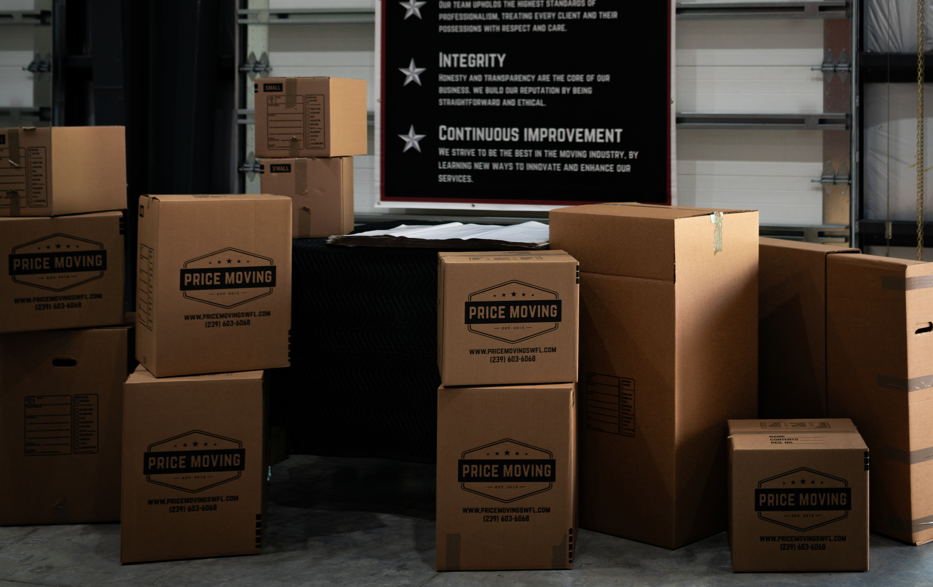
Packing books for a move can feel kind of tedious if you don’t have a system. You’ve got heavy hardcovers, delicate paperbacks, maybe some old collectibles, and the thought of them getting damaged is stressful. I usually start by sorting them into categories, which just makes everything easier later. Using moving experts can help too, especially if you want tips on keeping fragile or valuable books safe.
It’s not just about tossing them in boxes. Thinking about space, weight, and protection makes a big difference. Honestly, a few extra minutes of planning can save hours when unpacking. Even simple things, like knowing which books you’ll need first, can make the move feel less chaotic.
Sort Books by Category
First, separate fiction from nonfiction. Then break it down further: mystery, sci-fi, history, self-help, or whatever makes sense to you. I sometimes take a moment here to declutter. Old books you don’t care about anymore? Donate or sell them.
Organizing this way makes packing faster and unpacking way smoother. You know exactly where everything goes, and it prevents random boxes from getting mixed up. It also kind of makes you rethink which books are actually worth taking.
Use Sturdy Boxes
Next, grab boxes that can handle the weight. Books are heavy, and flimsy boxes will give out fast. I usually tape the bottoms well, maybe even double-layer tape if the box is small but full of hardcovers.
Fill empty spaces with crumpled paper or bubble wrap so nothing shifts around. Label each box with what’s inside and which room it belongs to. Doing this saves headaches later; you’ll thank yourself when you’re unpacking. Even if it feels like overkill, sturdy boxes make the move less stressful.
Pack Books Vertically
Stacking books vertically in the box is kind of a game-changer. It keeps the weight distributed evenly, so pages don’t bend and covers don’t get crushed. You can fit more books this way, too.
I usually fill gaps with packing paper so nothing slides. It’s not glamorous, but it works. When you unpack, the books stay neat, and you don’t have to worry about bending or warping.
Wrap Fragile Books
Fragile books, old hardcovers, and collectible editions need extra care. I place acid-free paper between each one to prevent rubbing. Then wrap them gently in bubble wrap or a soft cloth.
Tape the wrapping so it stays in place. Sometimes I add a little extra padding inside the box, like crumpled paper or peanuts, to stop shifting. This little extra effort keeps delicate books safe and saves a lot of stress.
Label Boxes Clearly
Labeling boxes clearly is a small step that pays off big time. Write the contents and room on at least two sides of the box. If something is fragile, make a note.
I like to keep a simple inventory in my notebook so I know what’s in each box. It makes finding specific books later so much easier. Even a tiny bit of organization here saves a lot of chaos when you arrive.
Keep Essential Books Handy
Some books you’ll need right away, maybe reference books, legal documents, or a favorite novel. I usually keep these in a separate bag or smaller box so they’re easy to grab.
Label it clearly as “Essential Books.” If the move is long, I even carry a few in a backpack with me. That way, you can relax a bit and not dig through boxes when you want something simple. It’s a small step that makes a big difference in comfort and convenience during a hectic move.
Related Topics: