What Will Packers Not Pack
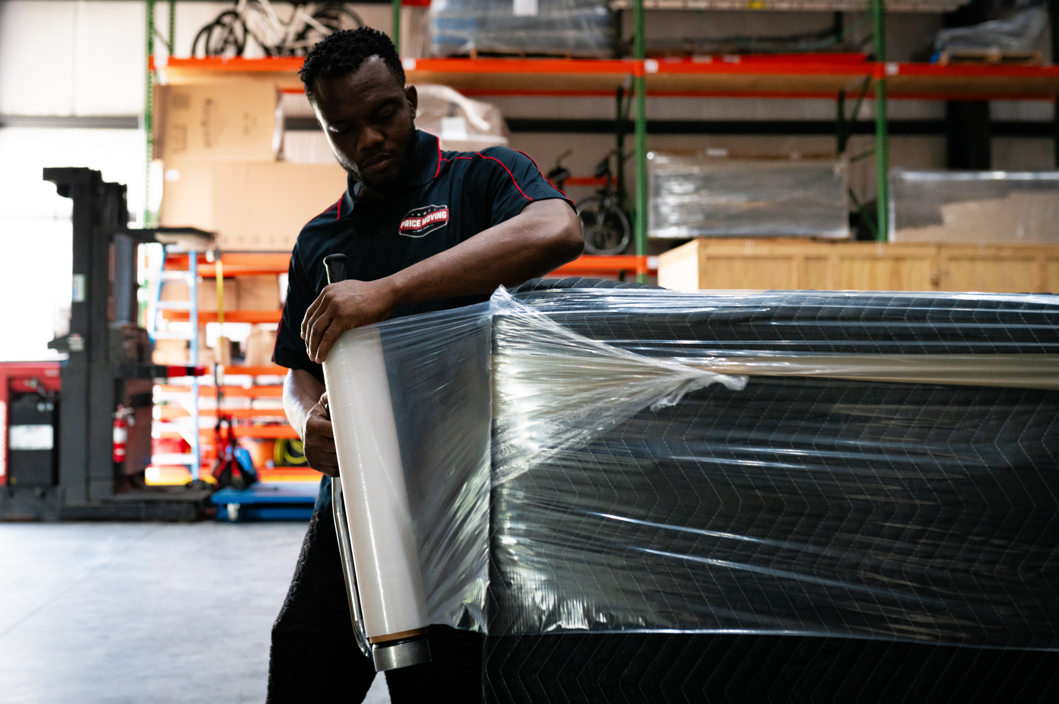
Professional moving companies refuse to pack certain items that could be dangerous, illegal, or just plain risky during transport. Things like hazardous chemicals, perishable food, or unsealed containers usually aren't included. Valuables, important documents, plants, and live animals also fall into the "you pack these yourself" category.
These limits are in place to keep everyone safe and ensure the move follows all the rules. Knowing what packers won't touch gives you a head start on planning. It's also why picking the best moving company in Bonita Springs, FL matters; they'll guide you through the tricky stuff.
Breaking it down by category helps, too. That way, you're not scrambling at the last minute or wondering if something is okay to pack. A little prep here makes the whole move go more smoothly.
Hazardous and Dangerous Materials
Moving companies maintain strict policies against packing potentially dangerous substances. These items create serious safety hazards during transport and violate federal transportation guidelines.
Flammable liquids and gases top the list of prohibited items. Gasoline, lighter fluid, propane cylinders, and oxygen bottles can leak or explode under pressure changes during transit. Even small amounts pose significant risks to your other belongings and the moving truck itself.
Chemical substances like paints, paint thinners, and nail polish remover contain volatile compounds that become unstable during temperature fluctuations. Professional movers won't risk contamination or chemical reactions that could damage entire shipments.
Explosive materials, including fireworks and matches, are absolutely forbidden. These items require special handling permits that standard moving companies don't possess. The liability alone makes them completely off-limits for residential moves.
Most people don't realize how many everyday household products fall into the hazardous category. Bleach, pesticides, cleaning solvents, and even certain batteries can be considered dangerous goods. Check with your moving company for their complete prohibited items list before packing day arrives.
Perishable Food Items
Food items with limited shelf life create multiple problems during moves. Fresh produce, dairy products, meats, and frozen foods spoil quickly without proper refrigeration. The decomposition process attracts pests and creates unpleasant odors that can contaminate other belongings.
Smart planning means consuming or donating perishables before your move date. Many local food banks accept non-expired canned goods and packaged items you can't finish before leaving.
Refrigerated and frozen items need special attention. Even short-distance moves can take several hours, which is enough time for these products to reach unsafe temperatures. The mess and smell from spoiled food could ruin clothing, furniture, and other valuables packed nearby.
Personal Valuables and Important Documents
Irreplaceable items deserve personal transportation rather than commercial moving services. Jewelry, heirlooms, collectibles, and small electronics carry too much sentimental or monetary value to risk with standard moving procedures.
Important paperwork requires your direct oversight throughout the entire process. Birth certificates, passports, social security cards, financial records, medical files, and legal documents should travel with you personally. Losing these items during a move creates weeks of bureaucratic headaches and replacement costs.
Cash, credit cards, and checkbooks obviously need to stay under your direct control. Even the most reputable moving companies recommend keeping all financial instruments with you during the relocation process.
Consider renting a safety deposit box or fireproof safe for extremely valuable items if you're making a long-distance move. The extra security investment protects against theft, damage, or loss during transport.
Plants and Live Animals
Living organisms require specialized care that standard moving services can't provide. Plants face temperature extremes, lack of sunlight, and physical jostling that often proves fatal during transport. State agricultural regulations prohibit certain species from crossing borders to prevent the transmission of pests and diseases.
Check interstate plant transportation rules before attempting to move your garden favorites. Some states require inspection certificates or quarantine periods for specific plant types. Local garden centers often accept plants from customers who can't transport them to new homes.
Pets need veterinary clearance and specialized pet transport services for safe relocation. Temperature-controlled vehicles, proper ventilation, food, water, and stress management require expertise that moving companies don't offer. Professional pet relocation services handle these needs with appropriate licensing and experience.
Exotic animals may require special permits depending on your destination state's wildlife regulations. Research these requirements months before your move date to avoid last-minute complications.
Open or Unsealed Containers
Unsealed packages create spill risks that can damage surrounding items. Liquids, powders, and small objects can escape during handling and contaminate entire boxes of belongings. Professional packers require all containers to have secure, intact seals before they are included in shipments.
Partially used products often lack proper closure mechanisms. That half-empty shampoo bottle or opened spice container needs resealing with tape or transferring to a more secure container. Food storage containers should be empty and clean before packing.
The liability issues around leaking containers make this a firm rule for most moving companies. One spilled liquid can destroy thousands of dollars' worth of belongings, creating insurance claims and customer disputes.
Personal Care and Medical Supplies
Prescription medications need to stay with you during moves. These controlled substances require personal supervision and may need refrigeration or specific storage conditions. Insurance and legal regulations prevent moving companies from handling prescription drugs.
Medical equipment like oxygen concentrators, CPAP machines, or mobility aids should travel separately. These devices need careful handling and may be required during the moving process itself. Pack essential medical supplies in easily accessible personal luggage.
Toiletries and cosmetics in glass containers pose breakage risks. While not prohibited, many customers prefer packing these items separately to avoid messy spills on clothing and linens.
Planning Your Move Successfully
Start planning what you'll handle at least two weeks before your moving date. Create separate categories for items you'll transport yourself versus those going with the professional movers.
Contact your moving company in Naples, FL early to discuss their specific prohibited items list. Policies can vary between companies, and understanding their requirements prevents last-minute surprises on moving day.
Local disposal facilities accept most hazardous materials for safe disposal. Many communities hold special collection days for household chemicals, paint, and electronic waste. Take advantage of these services before your move date.
Consider the timing of your move when planning around perishables and plants. Summer moves create additional challenges for temperature-sensitive items, while winter moves may require special protection for certain belongings.
Professional movers want your relocation to succeed just as much as you do. These packing restrictions are in place to protect everyone involved and ensure your belongings arrive safely at your new home. Plan, ask questions, and handle restricted items appropriately for the smoothest possible moving experience.
Contact Us
Have questions or ready to plan your move? We're here to help! You can reach us by email at info@pricemovingswfl.com or give us a call at (239) 326-6206 to speak with a member of our team. We serve multiple locations across Southwest Florida, including Bonita Springs, Marco Island, Fort Myers, and Naples, so no matter where you're moving, we've got you covered.
Prefer to connect online? Fill out our contact form for a free, no-obligation quote, and we'll get back to you as soon as possible.
Related Topics: